Medical Journal Icon Set: A Designer’s Review
As a designer who spends half my life digitizing and the other half stitching, I have learned that not every graphic translates well to thread. We often browse marketplaces looking for the perfect design assets, hoping they will elevate our next handmade product. Recently, I took a close look at the Medical Journal Icon Set, Line and Solid. At first glance, it presents itself as a vector graphic package intended for web and print, but my mind immediately went to its potential in the embroidery hoop. Can these clean, scalable icons survive the transition from digital screen to textured fabric? Here is my practical assessment of how this set performs in real-world embroidery projects.
First Impressions: Clean Lines and Professional Mood
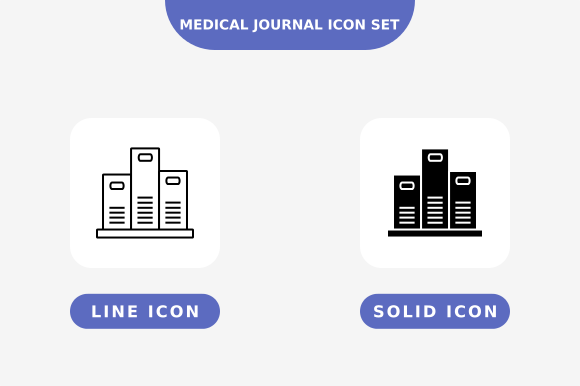
The immediate appeal of the Medical Journal Icon Set, Line and Solid lies in its minimalism. In the world of Graphics and Icons, clutter is the enemy of clarity. This set avoids unnecessary complexity, offering two distinct styles: line art and solid fills. For an embroidery designer, this duality is crucial. The line style suggests precision and elegance, while the solid style offers boldness and visibility. The mood created is one of trust, hygiene, and professionalism—essential vibes for medical-themed merchandise.
When I visualize these shapes under the needle, I see potential for crisp, modern aesthetics. The lack of excessive detail means fewer stitch breaks and a cleaner finished product. However, because these are originally vector files (EPS and SVG), they require careful preparation before becoming a usable machine embroidery design. They are not ready-to-stitch embroidery files out of the box, which is an important distinction for hobbyists who might expect instant compatibility with their machines.
Real-World Application: The Custom Tote Bag Scenario
To test the viability of this set, I imagined a specific client request: a custom tote bag for a nursing student graduation gift. The client wanted something subtle yet recognizable, avoiding the cliché heavy red crosses often seen in holiday embroidery or generic medical gear. I selected a stethoscope and a journal icon from the set. Using the line style, I envisioned a sleek tote bag design stitched in navy thread on natural canvas.
In this scenario, the scalability of the vector graphics is a massive advantage. I could resize the icon to fit a 5x7 hoop without losing the integrity of the curves. For a small shop product like this, the ability to tweak the size ensures the design looks proportional to the bag’s dimensions. If I were using the solid style, I would likely opt for a smaller placement on the corner of the bag, creating a boutique feel rather than a loud statement. This versatility makes the set valuable for Etsy sellers who need to offer customization options without redesigning from scratch.
Fabric and Stitch Considerations
Translating vector Icons into thread requires understanding how stitch density interacts with fabric texture. The solid styles in the Medical Journal Icon Set, Line and Solid would likely require a fill stitch approach. On stretchy fabrics like those used for sweatshirt embroidery or baby embroidery, high-density fills can cause puckering. Therefore, using a proper cut-away stabilizer is non-negotiable. I would advise testing the design on scrap fabric first to determine if the density needs to be reduced in your digitizing software.
For the line-style icons, a running stitch or a narrow satin stitch works best. These are ideal for custom apparel like scrub caps or lab coats, where bulk is undesirable. A thick satin stitch on a curved surface like a cap brim can twist and distort. By keeping the lines thin and precise, the design maintains its professional appearance even after multiple washes. This attention to technical detail builds customer trust and enhances the perceived value of your personalized gift.
Navigating Challenges: Small Details and Dark Fabrics
While the set is versatile, it is not without its challenges. Medical icons often include small details like cross-hatching on journals or tiny elements on syringes. When scaled down for an embroidered patch or a pocket logo on a pediatric nurse’s uniform, these details can merge into a blob of thread. I recommend simplifying the smallest elements or increasing the overall size of the design to maintain clarity. Always inspect small details at 100% zoom in your digitizing program before sending the file to the machine.
Another consideration is contrast. Medical themes often utilize white, blue, or green threads. If you are stitching on dark navy or black scrubs, ensure your thread colors pop. The line style might get lost on dark, textured fabrics if the thread weight is too fine. In such cases, switching to the solid style or using a thicker rayon or polyester thread can improve visibility. Testing your design in black and white mockups can help you judge contrast before you waste expensive materials.
Commercial Value and Brand Consistency
For craft business owners, consistency is key to building a recognizable brand. The Medical Journal Icon Set, Line and Solid offers a cohesive look that can be applied across various products. Imagine using the same icon style on aprons, pillow covers, and kitchen towels for a medical-themed home decor line. This uniformity creates a professional portfolio that appeals to buyers looking for high-quality, themed collections.
Moreover, the clean aesthetic of these Graphics lends itself well to printable mockup creation. Even if you are primarily an embroiderer, having high-quality vector assets allows you to create stunning digital previews for your online listings. This helps customers visualize the finished product before purchasing, potentially increasing conversion rates for your small shop product listings.
Practical Designer Notes for Best Results
Before you dive into using this set for commercial embroidery or personal projects, keep these practical tips in mind:
- Check Licensing: Since the product description mentions web and print use, verify if the license extends to physical goods and commercial embroidery. Never assume; always confirm before selling finished product items.
- Digitize with Care: As these are EPS and SVG files, you will need to digitize them or convert them using specialized software. Pay attention to underlay stitches to ensure stability on different fabrics.
- Test Hoop Sizes: Ensure the design fits your available hoops. A design that is too large for a 4x4 hoop may require repositioning or resizing, which can affect detail clarity.
- Contrast Check: Always test your chosen thread colors against the fabric. What looks good on screen may disappear on certain fabric texture types.
- Stabilizer Selection: Match your stabilizer to the fabric. Use tear-away for stable woven fabrics like tote bags and cut-away for knits like sweatshirts to prevent distortion.
In conclusion, the Medical Journal Icon Set, Line and Solid is a robust resource for designers willing to put in the prep work. It bridges the gap between digital design assets and tangible handmade product creation. With careful attention to stitch density, fabric choice, and licensing, this set can elevate your medical-themed offerings, providing a polished, professional look that resonates with healthcare professionals and their loved ones. Whether you are creating a heartfelt personalized gift or expanding your Etsy seller catalog, these icons offer the flexibility and style needed for successful embroidery projects.